
Lighting Design for Home Decor
Lighting is more than just a functional element—it’s a powerful design tool that can transform your home’s atmosphere, mood, and style. Thoughtful lighting design not only enhances the beauty of your decor but also improves the functionality of every room. Here’s a guide to creating the perfect lighting plan for your home.
- Layer Your Lighting
- Use Dimmers
- Choose the Right Color Temperature
- Highlight Key Features
- Incorporate Statement Fixtures
- Make Use of Natural Light
- Use Consistent Style and Finish
- Install Smart Lighting
1. Understand the Three Types of Lighting
To create a balanced and effective lighting design, incorporate the three main types of lighting:
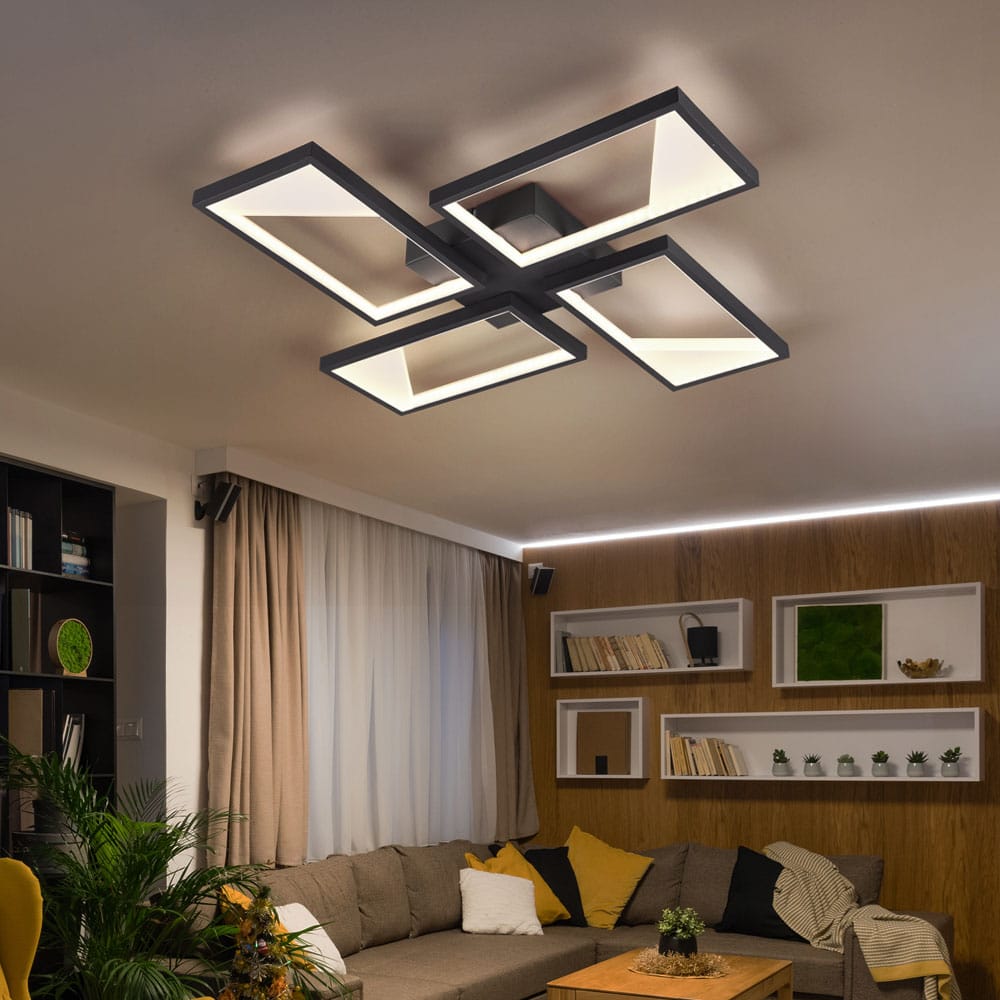
Ambient Lighting: The general illumination that provides overall light to a space. Common sources include ceiling fixtures, chandeliers, and recessed lights.
Task Lighting: Focused lighting for specific activities like reading, cooking, or working. Desk lamps, under-cabinet lights, and vanity lights fall into this category.
Accent Lighting: Used to highlight architectural features, artwork, or decorative objects. Examples include wall sconces, LED strip lights, and track lighting.
2. Layer Your Lighting
Layering involves combining all three types of lighting to create depth and dimension. Each room should have multiple light sources that work together to suit different needs and moods.
Living Room: Use a mix of ceiling lights, floor lamps, and accent lighting to create a warm and inviting environment.
Kitchen: Combine overhead lights with under-cabinet and pendant lighting to ensure both style and functionality.
Bedroom: Use bedside lamps, ambient ceiling lights, and perhaps dimmable fixtures to create a restful retreat.
3. Consider Lighting Color and Temperature
Lighting temperature affects the mood of a room:
Warm light (2700K–3000K): Creates a cozy, relaxing atmosphere, ideal for living rooms and bedrooms.
Cool light (3500K–4100K): Provides a more energetic and alert feel, suitable for kitchens and bathrooms.
Daylight (5000K–6500K): Best for reading books, home offices, or anywhere clarity is essential.
4. Use Dimmers and Smart Controls
Install dimmer switches and smart lighting systems to adjust brightness levels based on time of day, activity, or personal preference. This adds versatility and can save energy.
5. Enhance Decor with Statement Fixtures
Lighting fixtures themselves can serve as decor pieces. Consider:
A chandelier for elegance in dining rooms.
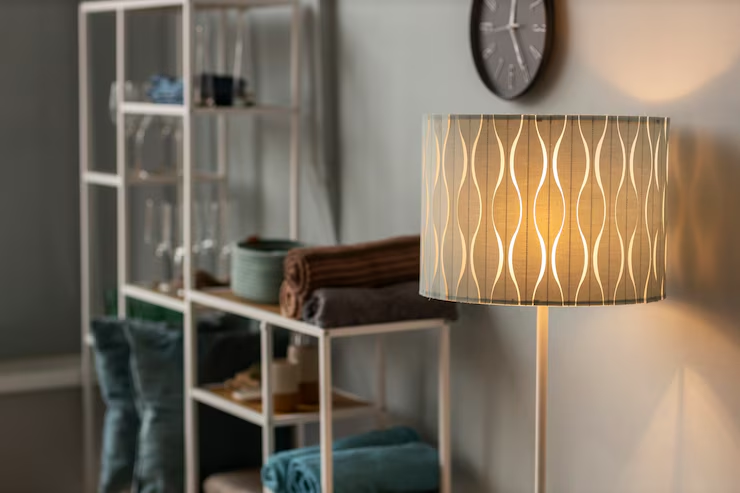
Sculptural floor lamps for artistic flair in the living room.
Industrial or minimalist pendants in the kitchen for a modern touch.
6. Highlight Architectural and Design Features
Use lighting to draw attention to unique features like textured walls, shelving, art, or plants. Uplighting and downlighting can make a dramatic impact when used strategically.